

The first difference between going out in Barcelona and in many German university towns isn’t at the entrance to a nightclub: it starts with the clock. In Barcelona, dinner can begin when in Germany people are already thinking about going home. The plan might start with tapas at a bar, then move to a club, and, if you’re feeling energetic, end with watching the sunrise near the sea. In Germany, the nightlife scene is more fragmented: Berlin is a world unto itself, while smaller university towns tend to have a much more relaxed pace.
For an American or Erasmus student, the key isn’t deciding which country “has the best nightlife.” It’s understanding the local scene. There are intense nights out in Hamburg, Cologne, Leipzig, or Berlin, just as there are relaxed options in Barcelona. But the Catalan capital has a hard-to-replicate advantage: its streets, beaches, terraces, and densely populated neighborhoods mean that socializing doesn’t always depend on stepping inside a club.
Schedule: Barcelona starts when other places turn down the volume
In Barcelona, arriving at a nightclub too early can be a curious experience: a cloakroom is available, there’s no queue at the bar, and the dance floor still seems to be warming up. Late dinners are part of the social scene, and the club scene usually picks up well into the night. It’s best not to assume that a party advertised for a certain time will reach its peak immediately.
In Germany, it’s best to avoid generalizations based on national pride. Berlin maintains an internationally renowned club culture, with long sessions and its own entry requirements. In other cities, the pace can be more straightforward: a get-together at a shared apartment, a pub, a university event, a concert or club, and then back home without the long Mediterranean prelude. Noise restrictions and local ordinances also play a significant role, especially on Sundays or in residential areas.
A useful observation for those arriving in Spain from Germany: nightlife can be more noticeable in public spaces. Seafront promenades, squares, and restaurant areas remain bustling even when other destinations have already settled down. This doesn’t turn every street into a party or eliminate social norms; it simply changes the relationship between leisure, climate, and the city.
Doors, lists, and unwritten rules
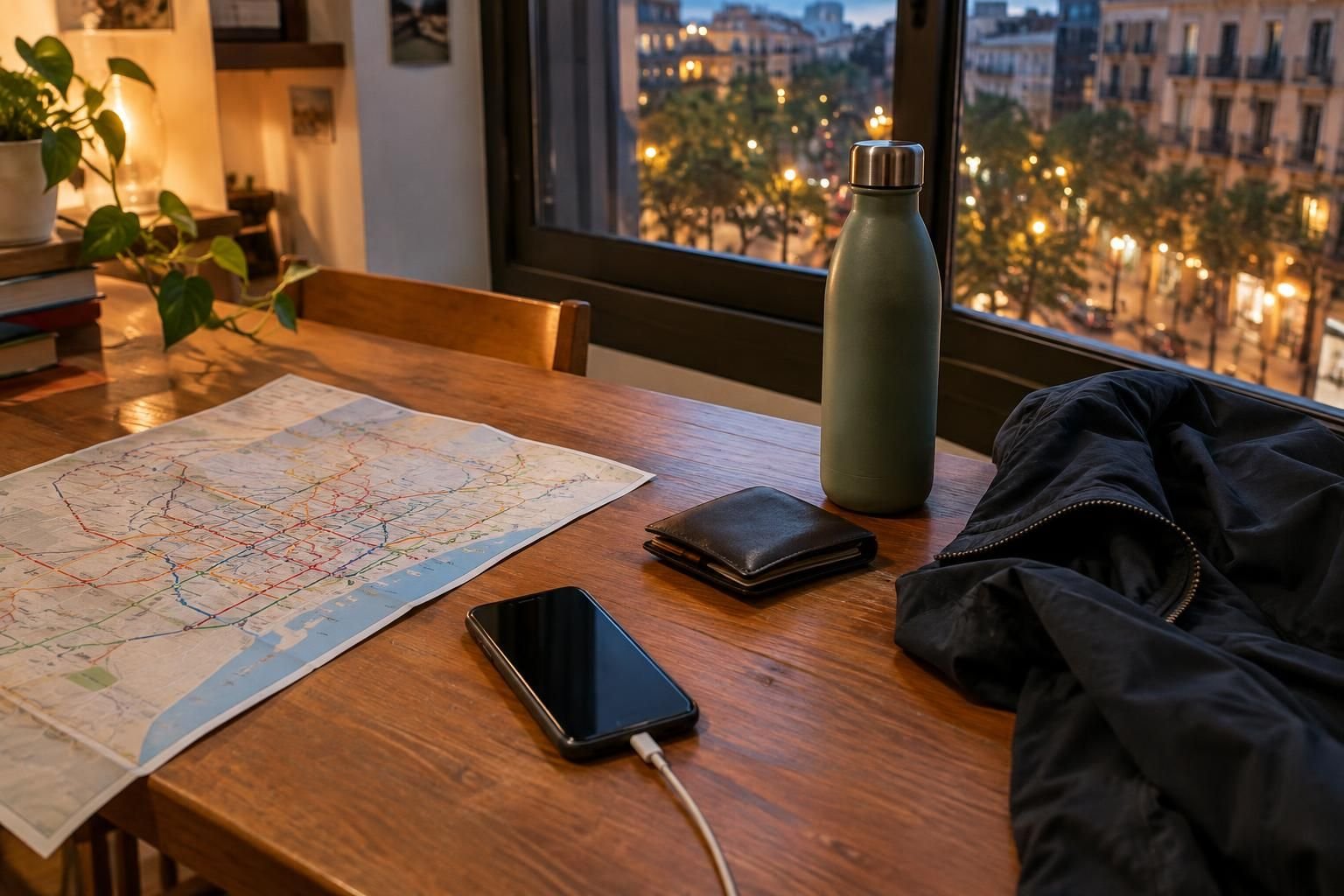
Getting into a club is one of those details that separates the Erasmus fantasy from the realities of the scene. In Barcelona, the conditions vary depending on the venue, the promoter, the time, and the night. A guest list or advance ticket can make entry easier, but you should carefully read what’s included and how long it’s valid. Carrying physical ID or a valid form of identification, a charged phone, and an alternative payment method still offers a small peace of mind.
In some German cities, and particularly in Berlin, door security can be more selective and less predictable. There’s no foolproof way to get in. Dressing to fit some supposed dress code or arriving in a huge group guarantees nothing. The most sensible strategy is to choose a place you’re genuinely interested in, respect the staff, and accept a “no” without making a scene worthy of a reality TV show.
Budget: spending slips through the net before it even begins
A night out rarely becomes more expensive because of a single drink. It becomes more expensive because of the sum of the costs: impromptu dinner, transportation, entrance fee, cloakroom, drinks, a late-night snack, and the return journey. In Barcelona, living near the city center doesn’t necessarily mean you can walk back from any entertainment area; the coastal geography and fatigue mean that the end of a night out deserves its own budget.
The video that inspired this comparison portrays a personal contrast in prices between everyday products in Spain and Berlin. It can serve as a reminder, not an economic rule: a supermarket, a brand, or a neighborhood doesn’t describe the cost of an entire night. For students, it works best to set a spending limit before going out and separate the return money. Spontaneity is much more enjoyable when you don’t max out your credit card at dawn.
Night transport: the plan starts with the return trip
Barcelona has an extensive public transport network, but its frequencies and nighttime schedules vary depending on the day and the line. Before heading out, check the actual route from the venue to your accommodation, including any transfers. Don’t leave it until that awkward 4:17 conversation between three people with 8% battery left.
The same is true in Germany, with a slight difference: urban transport networks can be excellent, but not all operate equally well throughout the night. Some cities offer dedicated night services on weekends; others require you to check the last train, tram, or bus with extra care. For intercity travel, planning is even more crucial: a closed station or a missed connection is hardly a romantic twist on an international adventure.
How to fit in without losing your mind
Going out well doesn’t mean copying the locals’ behavior as if there were a test. In Barcelona, it helps to keep your voice down when leaving bars or apartments, respect your neighbors, and not assume the beach is a lawless place. The relaxed atmosphere of a night by the sea can be wonderful, but the sea at night demands caution: avoid swimming if you’ve been drinking, don’t go far out alone, and pay attention to the conditions.
In Germany, respect for shared spaces, quiet hours, and establishment rules is highly valued. Being punctual when the plan requires it, not sneaking in, not taking photos where it’s not allowed, and following staff instructions are simple gestures that prevent conflicts. The best night owl isn’t the one who returns with the most chaotic story, but the one who understands the place they’re visiting.
A memorable outing doesn’t need to last forever.
Barcelona offers a unique blend of late-night dining, walkable neighborhoods, club culture, and coastal getaways, which explains why so many students include it in their dream of studying abroad. German cities, in turn, offer a diverse range of scenes: high-caliber electronic music, university bars, concerts, and a way of organizing leisure activities that varies radically from region to region.
Remember this practical rule: choose a plan you can clearly explain before the first drink. Where you’re going, how you’re getting back, how much you want to spend, and who you’re with. With that sorted, the difference between Barcelona and Germany stops being a culture shock and becomes what it should be: another great Erasmus story.