
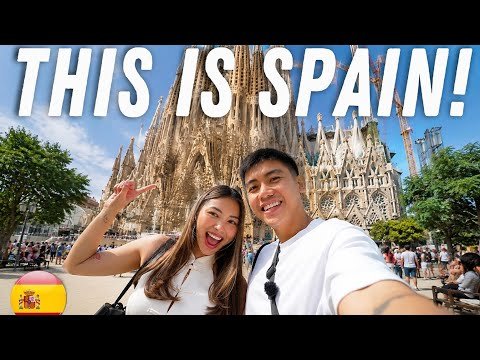
For plenty of American study-abroad students and Erasmus arrivals, Barcelona is the Spain starter pack with the volume turned up. There is a beach, but it is not merely a beach town. There is monumental architecture, but it does not feel like an open-air museum that closes at 6pm. There is serious academic life, an enormous international crowd, late-night energy and enough visual drama to make a walk to class feel mildly cinematic.
Madrid has its defenders. Seville has flamenco swagger and a sunnier relationship with the word “afternoon.” Valencia brings a more relaxed Mediterranean rhythm. Yet Barcelona has a particular first-time pull because it removes the usual choice between city break, beach escape and cultural immersion. Students get all three, often before lunch.
A city where the beach is part of the timetable
Barcelona’s Mediterranean setting is not a decorative extra. It changes the texture of a semester. Barceloneta and the wider waterfront give students somewhere to decompress after classes, meet friends without making a reservation, or catch a late walk when the city is still buzzing. In summer and early autumn, the shoreline can be spectacularly busy—European beach life is not famous for respecting personal space—but that energy is part of the deal.
Compare that with a landlocked university city, where a good-weather day means claiming a square metre of park grass before somebody else does. Barcelona offers the possibility of a beach afternoon without planning a whole holiday around it. That flexibility matters when essays, group projects and an aggressively optimistic social calendar all compete for attention.
The city’s long daylight hours in warmer months also feed its famously elastic schedule. Dinner may start when students elsewhere are considering pyjamas; sunset can still be hanging around while people are heading out to eat. It takes adjustment, particularly for visitors raised on 6pm dinner, but it is an excellent education in slowing down without actually doing less.
Culture is not an occasional field trip
Barcelona makes culture difficult to ignore. Antoni Gaudí’s work is woven into ordinary movement through the city: the unfinished grandeur of the Sagrada Família, the curving façade of Casa Milà, the vivid shapes and city views of Park Güell. These are not distant dots on a once-in-a-lifetime itinerary; they become landmarks students pass, revisit and gradually understand in context.
That is one of Barcelona’s underrated academic advantages. A student can learn about Catalan identity, modernist architecture, urban planning, food culture or tourism simply by paying attention on the way home. Passeig de Gràcia, for example, mixes landmark buildings with major shopping and a grand-boulevard feel. The Gothic Quarter, museums, markets and neighbourhood cafés provide entirely different versions of the city.
The practical lesson: book major attractions ahead of time. Popular entries, particularly the Sagrada Família and Park Güell, can sell out well before a spontaneous Tuesday mood strikes. Booking in advance is less romantic than “let’s just see what happens,” but so is staring at an unavailable ticket screen while your friends are posting stained-glass ceilings.
An international community without the social training wheels
Barcelona is a natural landing spot for students arriving in Europe for the first time because there are so many other people doing exactly that. International programmes, exchange cohorts and visiting students create an immediate social ecosystem. It is easier to find a language-exchange partner, a flatmate from another continent, or a group willing to split a taxi after a night out.
That can be wonderfully reassuring. It can also become a trap if every meal, trip and complaint about local bureaucracy happens inside the same English-speaking bubble. Barcelona rewards students who do both: enjoy the ready-made international network, then deliberately push beyond it.
Learn a few Spanish basics, recognise that Catalan is also central to local life, shop in neighbourhood businesses, and make friends outside your programme. You do not need fluency to show respect or curiosity. A semester abroad should occasionally feel awkward; that is usually where the useful part begins.
The budget reality: brilliant city, not bargain-basement Spain
Barcelona’s popularity comes with a tax, and it is not only the one on restaurant bills. Housing, central locations, headline attractions and trend-led dining can eat into a student budget quickly. The city can deliver a very polished version of Europe—stylish brunches, designer-lined avenues, rooftop drinks—but polishing is rarely cheap.
A sensible budget strategy is to distinguish between the Barcelona you visit and the Barcelona you live in. Visiting every Gaudí site, eating out twice a day and treating Passeig de Gràcia as a casual shopping route is a quick route to financial archaeology. Living there means using public transport, cooking sometimes, looking beyond the most tourist-heavy streets and saving paid attractions for the ones you genuinely care about.
- Choose location carefully: being near a metro connection can matter more than being beside the most photographed landmark.
- Book key tickets early: it avoids disappointment and makes spending easier to plan.
- Build in low-cost days: beaches, neighbourhood walks, viewpoints and picnic-style hangs are part of Barcelona’s appeal.
- Keep valuables secure: crowded sightseeing zones and busy streets demand more vigilance than a sleepy campus town.
That last point is unglamorous but important. Visitors regularly flag pickpocketing as a concern. Use a zipped cross-body bag, keep phones out of back pockets, stay alert in packed areas and do not let holiday brain take over. The goal is to bring home stories, not a replacement-card crisis.
Nightlife, weekends and the art of pacing yourself
Barcelona’s nightlife is a major part of its study-abroad mythology, and the mythology is not entirely lying. The city offers everything from laid-back bars and live music to club nights, beachside venues and polished rooftop scenes. The late local timetable means the evening often unfolds in stages: dinner, drinks, another drink, then a decision that seemed perfectly reasonable at 1:30am.
For international students, the best approach is curiosity with guardrails. Go out with people you trust, agree on how everyone is getting home, watch your belongings and set a budget before the first round turns into a fiscal policy failure. Barcelona is more enjoyable when Monday morning remains technically survivable.
Its wider location also makes weekends feel larger. A semester base here puts students in a city designed for exploring on foot, while Spain and Europe invite further detours when schedules allow. The trick is resisting the urge to turn every weekend into an airport sprint. Some of the best weekends abroad are the ones spent discovering a new Barcelona neighbourhood, lingering over tapas, or watching the light change over the sea.
Barcelona wins first-time visitors because it feels immediately legible and endlessly layered. You can arrive for the Sagrada Família, the beach and the promise of a good night out. Stay long enough, though, and the city asks more of you: better planning, sharper street sense, a willingness to navigate languages and a slightly more adult relationship with your bank balance. Fair trade. Few study-abroad cities make growth feel this much like a great story.
